
The demand for fashion design is increasing as the fashion industry expands. Fashion design is a form of creative expression that involves designing clothing, creating accessories, and designing footwear. Moreover, it also incorporates many things such as material and fabric selection, garment constructions, selecting appropriate colour for the clothing and others. In other words, fashion is not just wearing fancy clothes; rather, it tells a story of one’s passion, culture, and religion with a creative expression.
How AI is Revolutionising Fashion Design in 2026
In 2026, AI transforms fashion design through hyper-personalisation, generative AI, and the prediction and analysis of emerging trends. The main benefits of AI in fashion designing are, it makes the whole process easy and suitable for both client and designer. In many cases, clients are puzzled about the design, such as how it will be displayed after final work; therefore, AI simplifies the process by allowing designers to showcase the design digitally to the client before it is completed.
Without these, many aspects show how AI influences the workflow of the fashion designers.
Trend Forecasting by AI: By 2026, there will be an ever-increasing role of AI in accurately foreseeing Fashion Trends. AI uses large amounts of data collected across social platforms and online searches, the Fashion Show circuit and Consumer Buying Patterns to Forecast Fashion Trends. This allows Designers and Brands to identify Colours, Silhouettes and design-inspired options that are most likely to be dominant in up-and-coming seasons. As a result, this makes collections more aligned with Consumer demand, thus minimising design Risk and OverProduction.
AI-Assisted Design Creation: In 2026, Nike has utilised AI not to eliminate, but to augment and adjust to the Needs of Fashion Designers. With today’s Advanced Design Tools, Designers have the opportunity to produce multiple sketches, silhouettes and weight-styling choices in Milliseconds or Seconds. Designs generated by AI will serve as the inspiration for Fashion Designers to refine and create their original designs. Therefore, AI creates a faster process for Designers and increases Innovation and Elevated Thinking within Fashion Design.
Personalised Fashion and Customisation: By 2026, Consumers will increasingly search for fashions that are unique and individualised to them. AI will allow Brands to make Personalised and Unique Fit, Colour, Style and Behaviour choices to match Consumers’ Personal Style and needs. By enabling Brands to provide these options to their Consumers, AI will aid in creating customer loyalty because of improved satisfaction.
Digital Sampling and Digital 3D Prototyping: Designers have drastically reduced their reliance on physical samples thanks to the ability to digitally replicate realistic 3D representations of garments and test different fabric options digitally before actually creating the finished product. This saves design teams time and money and enables designers to lessen their impact on the environment by minimising the amount of fabric wasted in the production process.
Ethical and Sustainable Fashion Solutions: As of 2026, AI is playing a significant role in making fashion more sustainable. Through AI, designers can choose to use environmentally friendly materials, maximise their use of fabric, and accurately forecast the amount of product they will need to create. By producing fewer collections than needed and predicting demand accurately, AI helps create ecologically sound products while allowing fashion companies to support their commitment to becoming increasingly sustainable on a global scale.
AI Creates Unique Printed Fabrics and Other Textile Products: Generative AI allows designers to create unique prints and textures that were not previously possible. Designers can explore limitless colour combinations and graphic motifs using generative AI, allowing them to experiment with many possibilities for future product development within the textile and fashion industries.
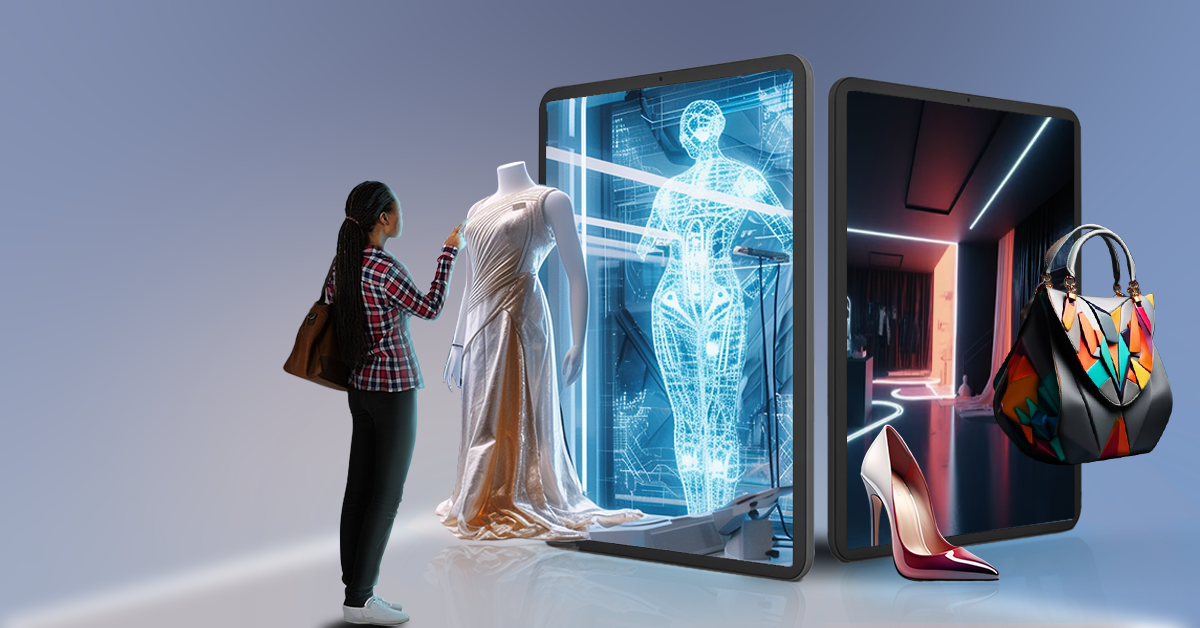
Virtual Try On and Digital Fashion: Digital clothing created using AI has changed the way we shop online. Virtual try-on technology allows customers to see how an item fits and moves on their own virtual body, giving consumers more confidence in their digital shopping experience and reducing the number of returns and exchanges between consumers and digital fashion platforms.
AI in Supply Chain and Inventory Optimisation: AI is revolutionising how brands optimally manage their supply chain and inventories. By accurately forecasting demand and intelligently managing inventories, brands can produce what they need when they need it. This eliminates stock shortages and excesses, enabling companies to manage costs better and respond quickly to fashion’s changing trends.
AI Enhances Human Creativity: As we look ahead to 2026 ,the fashion industry views AI as a partner, enhancing a designer’s capability rather than replacing it. Emotional intelligence, cultural knowledge, and artistic vision are the foundations of a successful design. AI augments the designer’s ability to create with the additional resources of speed, data, and precision. Together, designers will lead a smarter, more innovative, and consumer-centric future for fashion.
In conclusion, AI represents a significant resource for the fashion industry in redefining design. The combination of technology and creativity will provide a pathway to new opportunities for innovation, sustainability, and growth. In the next several years, designers and AI will work together to develop a more dynamic, inclusive, and future-ready fashion industry.